Being a transplant patient can be especially challenging. One of the lesser talked aspects is the mental/emotional side of our lives.
Building and maintaining friendships is key to good emotional health.
However this can become a huge challenge when you have a medical or mental health condition.
Here is my take on this topic:
- Let go of the fear ✌️
Many times we force friendships or relationships because of the fear being alone. The What Will Happen in the Future.
A common concern is being sick and alone or not having anyone to take care of you as you age.
I would like to share my own experience with this:
Growing up as an only child of immigrant parents, with a chronic disease I have been alone my whole life.
I have now come to the realisation that I am a little oddball who will always do things a little differently.
However with one distinction ☝️
Loneliness is a state of mind. It is who you surround yourself with. You could be surrounded by people growing up, and still be isolated, or be living alone and fully supported.
It’s about having great people around you. However it’s also about finding the strength within yourself to continue.
- Maintain clear boundaries ⛔️
Another reason we also continue friendships or relationships is because of other people. Be it for the sake of parents, children, partners etc.
Many times parents are concerned for our wellbeing, and encourage us to form relationships – be it friendships or romantic ones.
Sometimes however it can be counterintuitive.
Parents may have many reasons for doing this – societal, cultural, emotional.
A common one amongst parents of patients is parents trying to assuage their own guilt.
When their child is growing up they become socially isolated because of their situation. This is especially severe with only children.
Speaking from my own experience – my mum would go to great lengths, time money and effort to coordinate play dates with other children.
This puts an enormous pressure on both the child and parent. Parents feel the stress of organising activities as well as the effort and financial burden.
Children meanwhile may be coerced into play dates they don’t necessarily want. This can lead to everything from children feeling bored, sulking, anxiety to larger issues such as bullying and physical strain which worsens their condition.
Anyone who has been a child knows in simple terms, children can be cruel.
The other child or party may also exploit the situation.
Knowing a patient/child is vulnerable and lonely, gives the other party the knowledge they will go to great lengths to adjust and please them for fear of losing them.
This gives them the upper hand and they often resort to bullying, underhanded tactics to get their way – eg coercing the other child to steal, to watch TV shows they otherwise wouldn’t be allowed to etc.
Maintain boundaries with friends in order to facilitate a healthy relationship. This applies to romantic relationships too.
- Communication is key 🔑
Communicate your needs – be concise, flexible and understand the other persons perspective. Let people know what you can and can’t do and give possible solutions. This is especially important if you are in a friendship ‘girls group’
Patients have a tendency to become ‘self absorbed’ so it is important to adjust and understand different people have different personalities.
- Friendship groups may change, it is ok to evolve with them 🌊
Speaking from experience, as an immigrant patient who went to school, high school, then university – I had a variety of friends.
Some I keep in touch with and we are just as close. Others have drifted apart.
I have learnt that the nature of friendships and relationships are ever evolving. Sometimes people come into your life for short time only, for a reason or ‘season’.
- Enjoy the process, remember everyone has different experiences 🌿
My mum often gave me (sometimes unwarranted) advice on making friends.
One of the things she said included: “you will make most of your friends in university”
For my mother, growing up in India during the 60’s she had a very different experience.
She formed tight knit friendships with her ‘college’ and high school friends as well as her cousins – her sisters.
For me, my process was different,
While I did make a few friends in uni – these were not my strongest friendships.
University relationships were open ended, and majority of people already had a group of people they knew. Hence I connected best and still do with my childhood friends.
Being children of immigrants – specifically Bengali we always a cultural link, which ties many of us to this day.
- Have fun! 😊
Lastly, making friends and socialising is about building good mental health.
Take the best out of each experience and enjoy it.
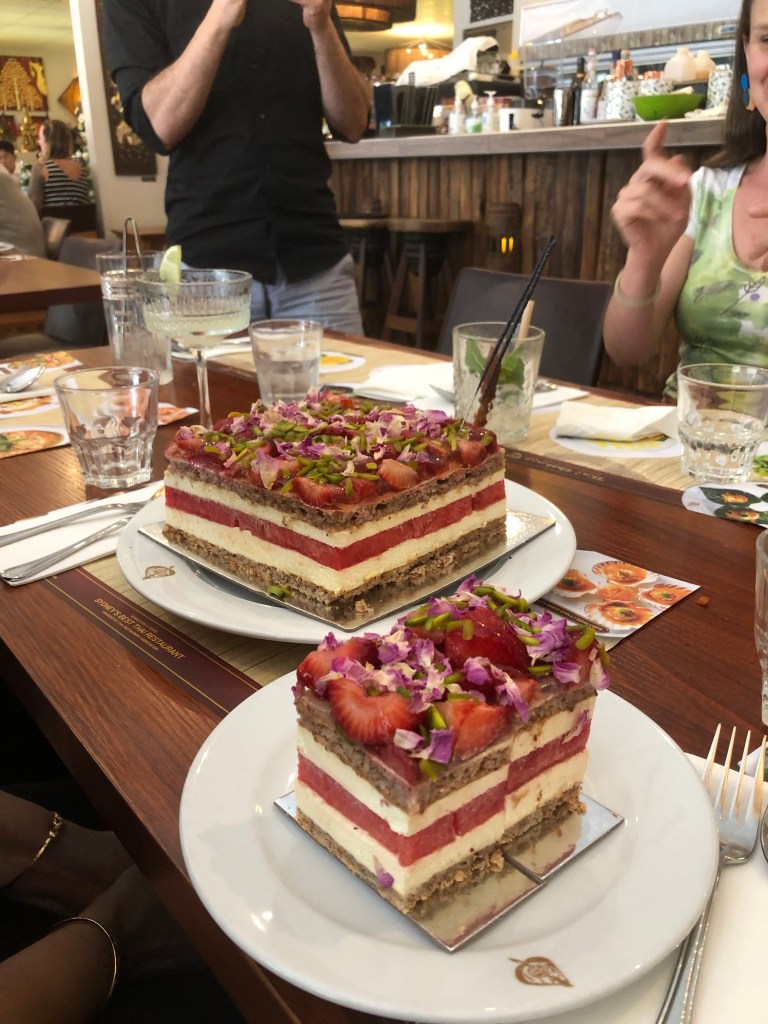
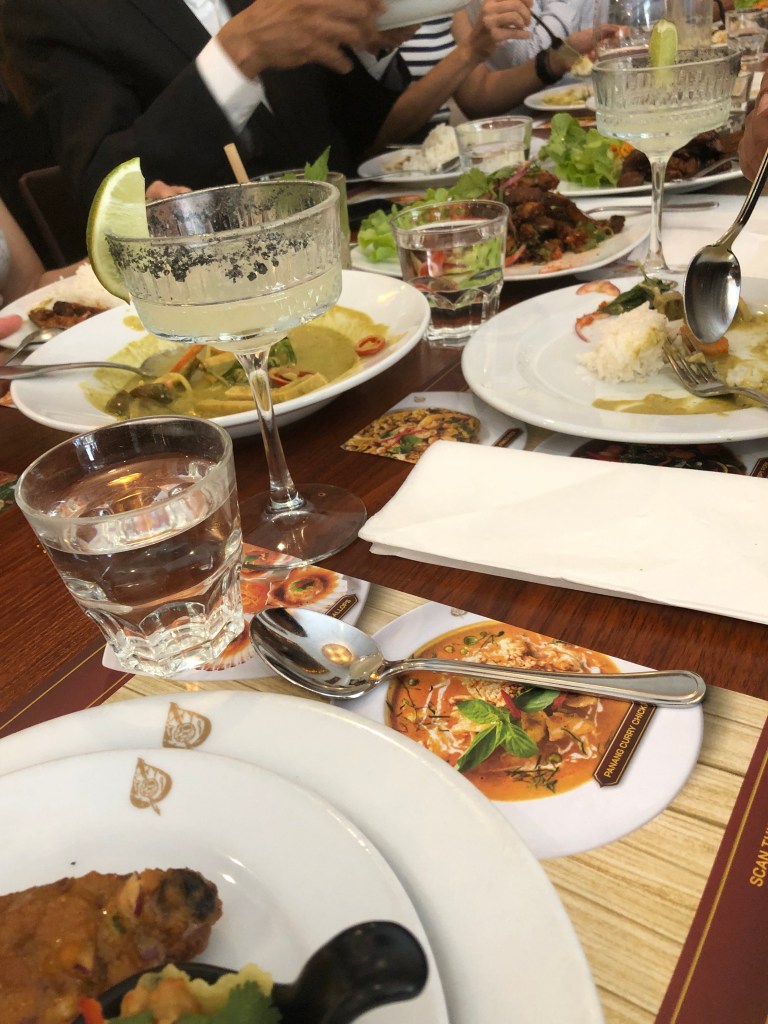
Hope everyone is able to catch up with their friends and loved ones this festive season,

With love,
Luna ✨
Discover more from Luna
Subscribe to get the latest posts sent to your email.
 Luna
Luna 