My grandpa recently passed away and while I made a post about the funeral process a wanted to write about another topic here: Grief
It is not death that a man should fear, but he should fear never beginning to live.
Marcus Aurelius
Grief is the natural emotional response to the loss of someone close, such as a family member or friend. Grief can also occur after a serious illness, a divorce or other significant losses. Grief often involves intense sadness, and sometimes feelings of shock and numbness, or even denial and anger.
Grief is experienced and processed differently by every individual.
Many factors influence how a person experience grief, such as gender, ethnicity, age, physical and mental health, religious or cultural background, socio economic status and family structure.
I wanted to write about my personal experience with grief:
Historically in India, open shows of emotion such as crying, weeping, banging of the chest,were the norms to express grief.
It was believed that through expressing these emotions, it would banish any lingering evil spirits, ghosts or Asura.
Western culture contrastingly takes a much more restrained approach to grief.
Grief is experienced privately.
Outward displays of emotions are discouraged, with stoicism and quiet contemplation believed to be the way of showing strength.
Growing up as the only child of immigrant parents in Australia, I spent a lot of time alone.
I struggled with ill health, didn’t have many friends, was terrible at sports, dancing and had very ordinary grades.
My grandpa (nicknamed Abu-ja) however, was always a source of strength for me.
When Abuja and Didani visited me it was like seeing my best friends after school.
His passing left a big hole in my life.
For many days I would lie awake quietly staring into the ceiling, upset and overwhelmed, knowing I would no longer hear him call me Didibhai. (His nickname in Bengali for me)
My mother, similarly told me she especially missed him this week knowing it was his birthday.
For a while I kept feeling – is it normal? Would these feelings ever go away?
Why do I keep feeling feeling like this?
The answer – Yes.
Your feelings are all valid. Each one of us takes time to process things differently.
When my grandad from my fathers side died a few years ago it was funnily a different experience.
Never being very close to him, it was a strained relationship.
Odd as it may be I went clubbing – Yes clubbing.
Psychologists believe it is not necessarily sex people want when they experience a loss.
This article highlights the reason many people engage in high risk behaviour is they seek emotional intimacy or a distraction from their grief.
Coping methods
Disclaimer: These are my personal tips. If you are in an emergency situation please visit your healthcare provider.

It is important to keep yourself occupied and engaged when going through something like this.

Keep active, and try to incorporate 10 minutes gentle cardio exercise.

Sit in the sun, and get fresh air daily (essential)

Draw, paint with some watercolours or get some adult colouring books. I love the Mandala ones here

This being said if you are a transplant patient, it is also important to take one day at a time.
It is also ok if you miss a day, two or even a week.
Have a list of things you feel happy about:
It could be a favourite snack food, a favourite show or movie you would like to watch.
Consume them in moderation. Save them.
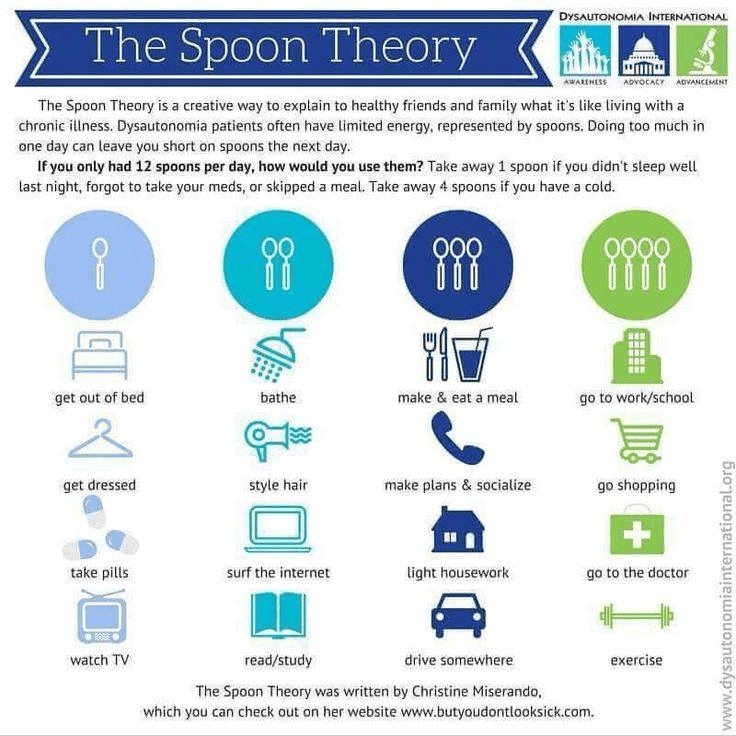
When grieving, especially if you struggle with any other kind of mental or physical health condition, can make day to day activities can me an extreme challenge.
Reward yourself with them after a productive day – e.g you finished housework, groceries, took medications – all the things which are physically and emotionally taxing.

For more emotion on this topic read the Spoon Theory by Christine Miserandino on her website:
When feeling up to it, keep an engagement or two as something to look forward to. Ensure it is low stress and with minimal physical activity. These can include things such as:
- Video call with a friend
- Lunch with parents
- Visit local coffee shop
- Organise to meet at a restaurant within walking distance
- Have a friend over for pizza night
Remember afterwards to learn from each experience, and give yourself a break.
Grief is a journey, something we all must work through.
“The flower that blooms in adversity is the most rare and beautiful of all”
Disney Mulan 1998

If you or anyone you know is in need of support or counselling contact the services below.
Bereavement counselling for grief

Grief support services provide counselling, support and education to bereaved individuals, children and families. The opportunity to talk things over with other a professional counsellor may help you make sense of your feelings.
Counsellors can offer you encouragement and support and through the grieving process. They will not tell you what to do or how you should be feeling, but they may put forward ideas and strategies to help you cope.
Support can help you cope with grief

Grief support services aim to:
- assist and guide people through the grieving process
- help with complicated grief issues to prevent physical and mental health problems occurring.
Support is available in most communities

Community organisations, agencies and groups are often involved in grief support services. These organisations may include:
- hospitals and community health centres
- palliative care agencies
- volunteer groups
- church and religious organisations.
Specialist services for grief
There is a range of specialist grief support services available. For example, if you have experienced the death of a child or baby, assistance is available from Red Nose Grief and Loss.
There are also grief support groups for families of people who have taken their own life, victims of homicide and people experiencing trauma as a result of road accidents. Sometimes specialist services are established in response to a particular traumatic event or disaster such as a bushfire or flood.
Services for children who are grieving

Children can experience loss and grief from a very young age. Their feelings might be triggered by the death of a parent or close relative, family separation, the death or loss of a pet or many other situations.
Grief Australia is funded by the Victorian Government to provide a statewide specialist bereavement service for individuals and families who need help following the death of someone close to them. This service operates throughout Victoria and provides a range of bereavement support programs for both children and adults, including face to face counselling and support groups. Telephone or online counselling (by appointment) is also available to clients in more remote areas.
Kids Helpline offers a confidential 24-hour counselling service for children and young adults aged from five to 25 years. They can call from anywhere in Australia for free on Tel. 1800 551 800.
Where to get help
- Your GP (doctor)
- Palliative Care Advice Service
- Your local community health centre, hospital or palliative care service
- A trained bereavement counsellor
- End of life and palliative care services
- Griefline provide a national toll-free helpline 8 am to 8 pm 7 days a week, 365 days a year. (AEDT/AEST) Tel. 1300 845 745.
- There is also a free Request a callbackservice allowing help-seekers the option to schedule a Grief Support Call from a specially trained Griefline telephone support person.
- G’day Line is a national toll-free service provided by Griefline for older Australians aged 50+ to support with loneliness and social isolation. Tel. 1300 920 552 8am to 8pm, 7 days a week, 365 days a year (AEDT/AEST)
- NURSE-ON-CALL Tel. 1300 60 60 24 – for expert health information and advice (24 hours, 7 days)
- Grief Australia – bereavement counselling and support services Tel. (03) 9265 2100 or 1800 642 066
- The Compassionate Friends Victoria– grief support after the death of a son, daughter, brother or sister Tel. (03) 9888 4944 or 1300 064 068
- Mercy Grief Services – for people living in the western region of Melbourne Tel. (03) 9313 5700
- Hope Bereavement Care – for people living in the Barwon region Tel. (03) 4215 3358
- Kids Helpline – telephone counselling Tel. 1800 551 800 (24 hours, 7 days)
- Lifeline – crisis support and suicide prevention services Tel. 13 11 14 (24 hours, 7 days)
- MensLine Australia Tel. 1300 789 978(24 hours, 7 days)
- Parentline Victoria Tel. 13 22 89 (8 am to 12 midnight, 7 days a week)
- SuicideLine Victoria Tel. 1300 651 251– for counselling, crisis intervention, information and referral (24 hours, 7 days)
- Red Nose Grief and Loss Tel. 1300 308 307 (24 hours, 7 days)
- Very Special Kids (Bereavement Support Program) Tel. (03) 9804 6253 or 1800 888 875
- Victims of Crime Helpline Tel. 1800 819 817
- Road Trauma Support ServicesVictoria Tel. (03) 8877 6900 or 1300 367 797
- Support After Suicide Tel. (03) 9421 7640
I hope this blog post helps anyone who is going/gone through a similar experience.
Remember, you are not alone,
Love,
Luna.
Discover more from Luna
Subscribe to get the latest posts sent to your email.
 Luna
Luna 