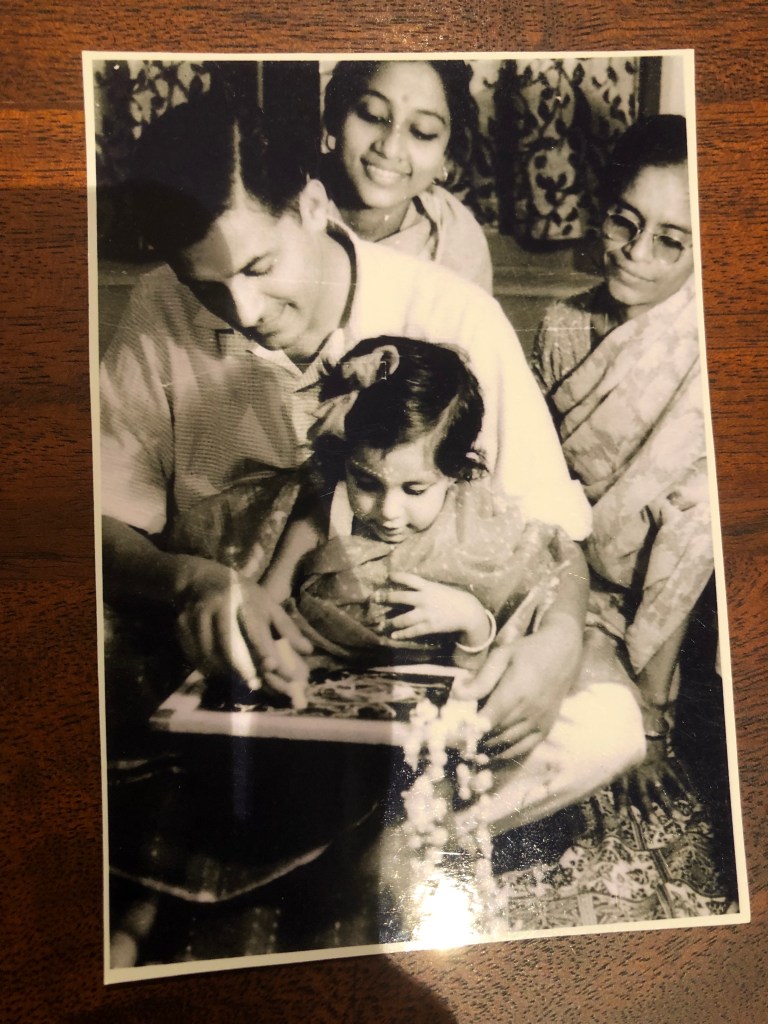
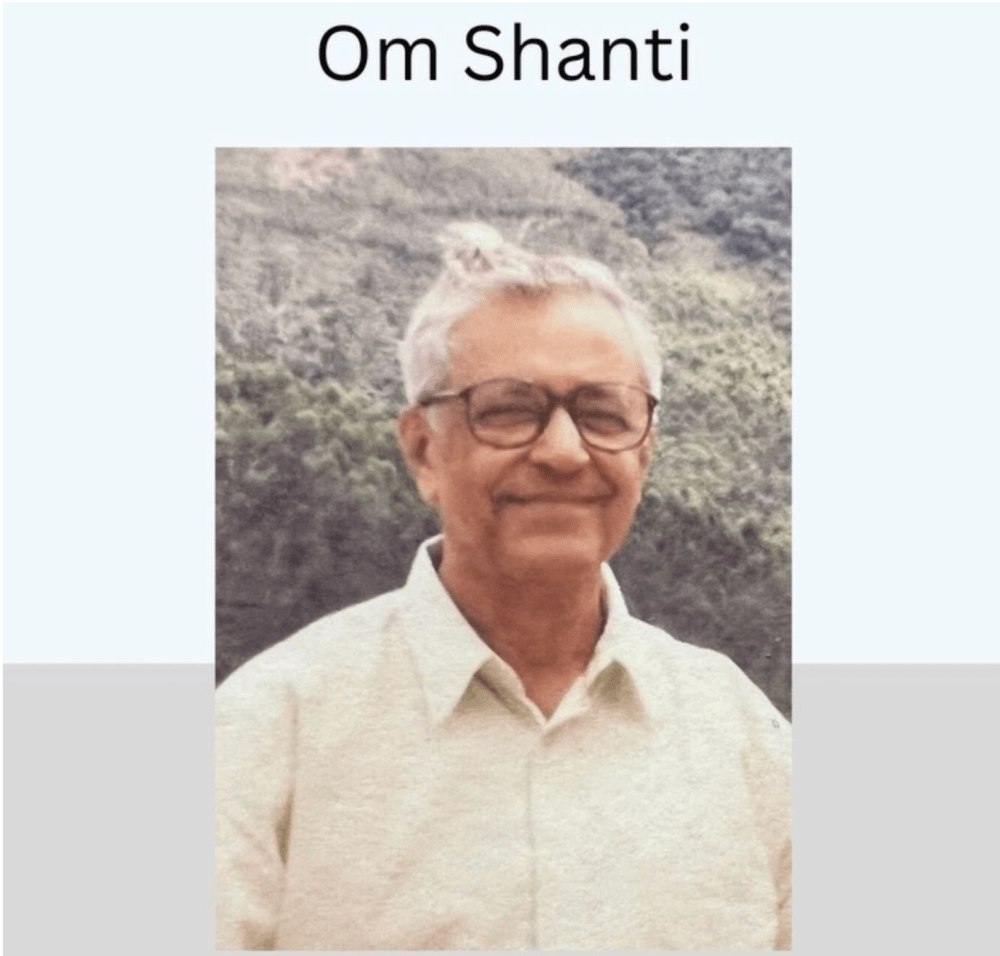
My grandpa passed away recently.
I wanted to dedicate this blog post to him.
My grandpa passed away on the 22nd June 2024
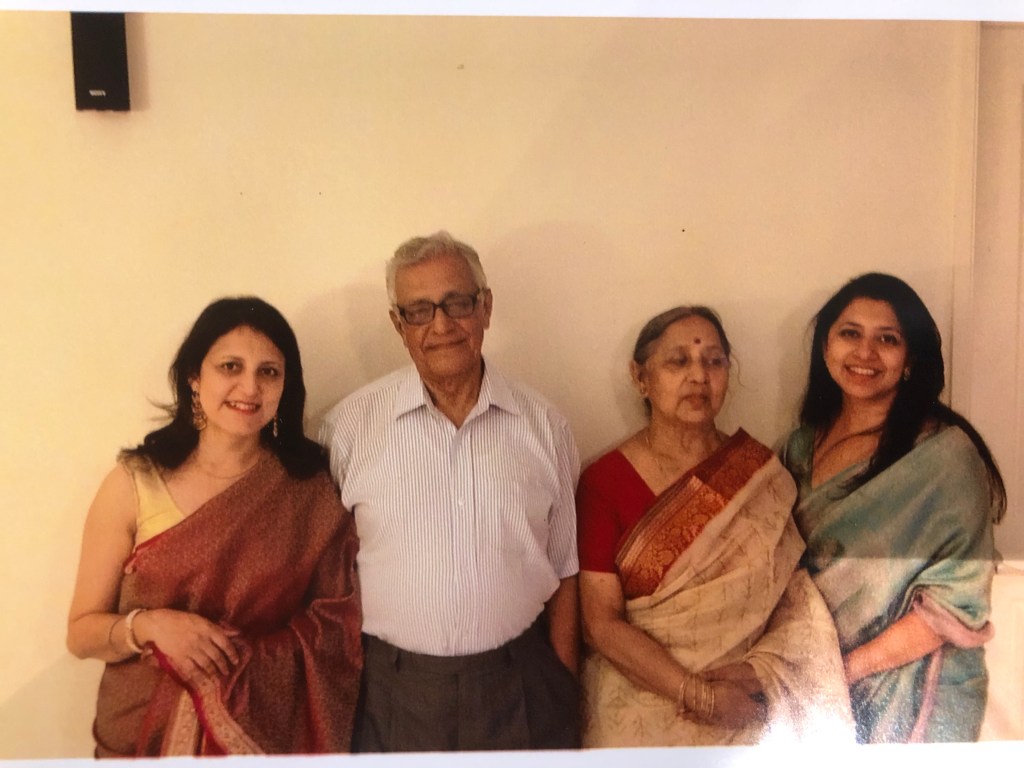
He was a devoted husband, loving father and grandfather and well known member of the community.
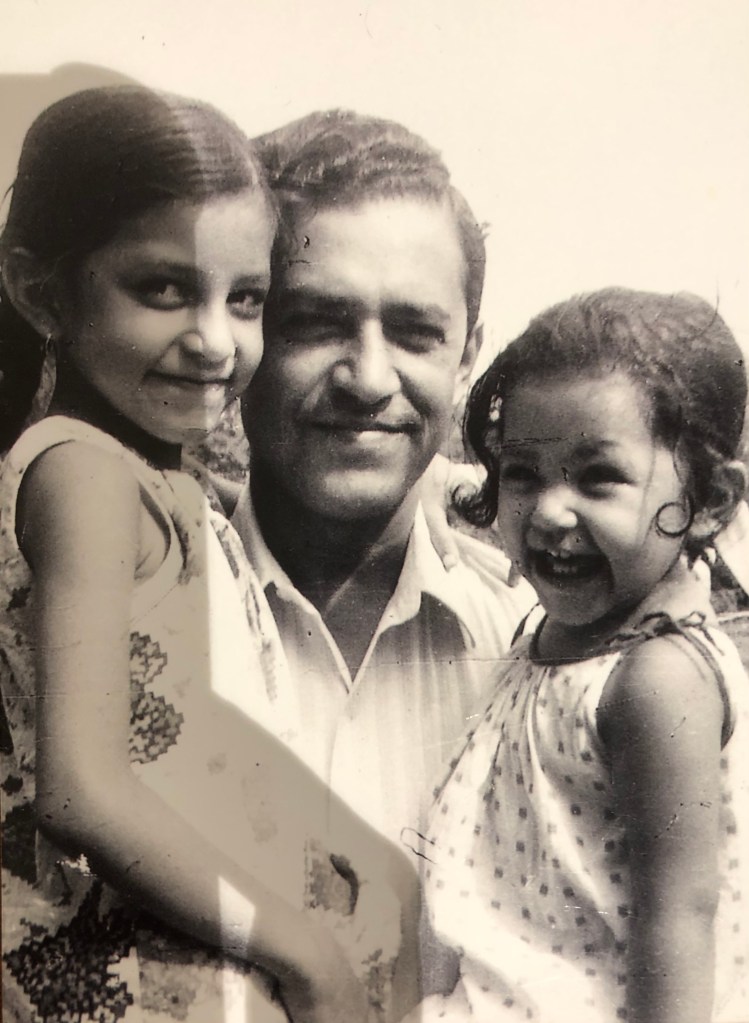


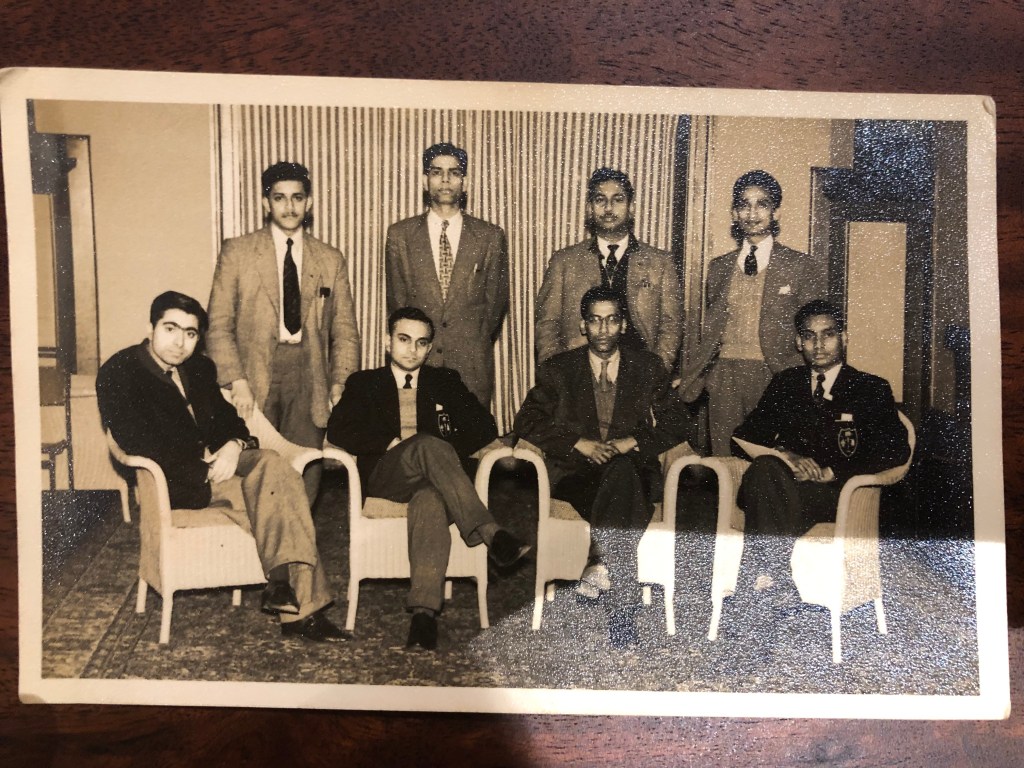
Extremely accomplished in his field, his achievements included
- Being the lead engineer on the Baha’i Lotus Temple in India
- As director of Larson and Toubro
- As an accomplished tabla player
As part of this, I wanted to write about the Hindu Funeral process.
The Hindu faith is centred around reincarnation; the belief that when someone dies, the soul is reborn as a different form.
Hindus believe that although the physical body dies, their soul remains and continues to recycle until it settles upon its true nature.
This can take many lifetimes, and with each death they strive to move closer to Brahma, the Hindu God.
Additionally, we believe our soul’s next incarnation will depend on the actions throughout our previous life, this is also known as Karma.
How long after death is a Hindu funeral?
According to Hindu death rituals, the body should remain at the home until cremation – this is usually within 24 hours of the death. Due to the short time frame of Hindu cremation, embalming is considered unnecessary. It is customary for family and friends to visit the home of the bereaved to offer their sympathy.
Why do Hindus cremate?

After death, Hindus believe that the physical body serves no purpose, and therefore does not need to be preserved. They choose to cremate their loved ones as they believe it’s the quickest way to release the soul and help with reincarnation. Historically, Hindu cremations would take place on the Ganges River, India, and the family would carry the casket to the crematorium site. Nowadays, Hindus are cremated locally, and most funeral directors can accommodate the traditions and rituals of a Hindu cremation.
The Mukhagni or Cremation Ceremony
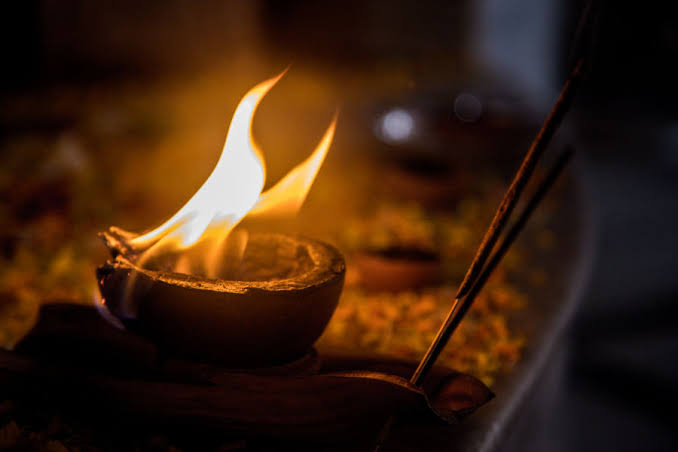
After all those who have chosen to view the body have done so, a priest and all senior family members conduct the cremation. This ceremony is called a ‘Mukhagni’, and while traditional Mukhagni ceremonies were male-only events, most modern Hindu funerals now allow women to attend the ritual ceremony, too.
What happens at a Hindu funeral?
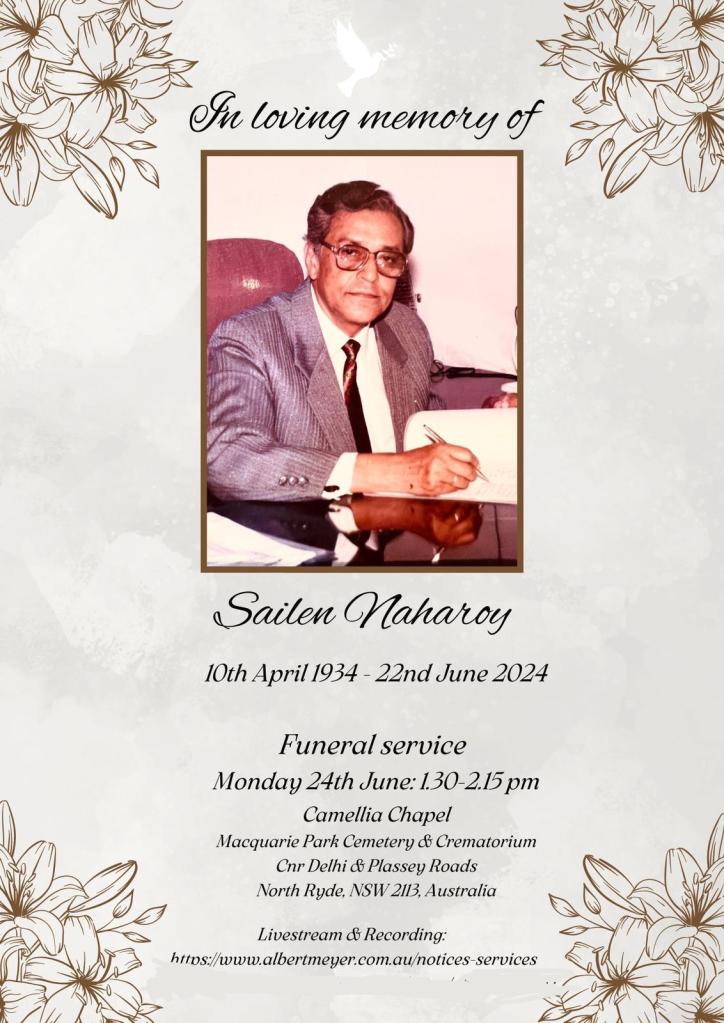
- The casket is carried into the crematorium, feet first, while mourners recite prayers.
- An open casket displays the deceased, and guests are expected to view the body. This should be done respectfully and without touching the person who has died.
- A Hindu priest and senior family members conduct the cremation ceremony (‘mukhagni’).
- Traditionally, the mukhagni is only attended by men, however, modern Hindu funerals allow women to attend.
- The day after a Hindu funeral, the ashes are scattered over a sacred body of water or a place of importance to the deceased.
How long does a Hindu funeral last?
Usually Hindu funeral services don’t last longer than 30 minutes, however, this will vary depending on the wishes of the deceased, and their family.
What to wear to a Hindu funeral?
Unlike other religions, black is considered inappropriate for a Hindu funeral. Instead, funeral etiquette is that mourners (both male and female) should dress in white.
Is there a mourning period for Hindus?
There is a 10-day period after the death, during which the immediate family follows Hindu mourning customs. They refrain from visiting the family shrine and are prohibited from entering a temple or any other sacred place. This is because they are considered to be spiritually impure during this mourning period.

What is preta-karma?
preta: Sanskrit meaning ‘hungry ghost’
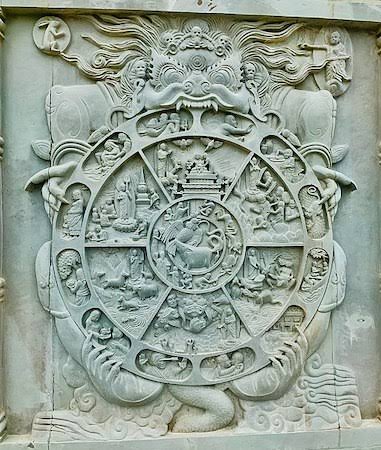
The preta-karma is an important Hindu death rituals that takes place during the period of mourning. It serves to help the deceased person’s soul move from spirit form to its new body in the cycle of reincarnation.
The rites are performed between the 11th and 31st day after death, depending on caste traditions, and at regular intervals thereafter.
The first annual death anniversary enables the deceased (preta) to be admitted into the assembly of forefathers (pitri).
In summary,
This is for Abuja, my grandpa.
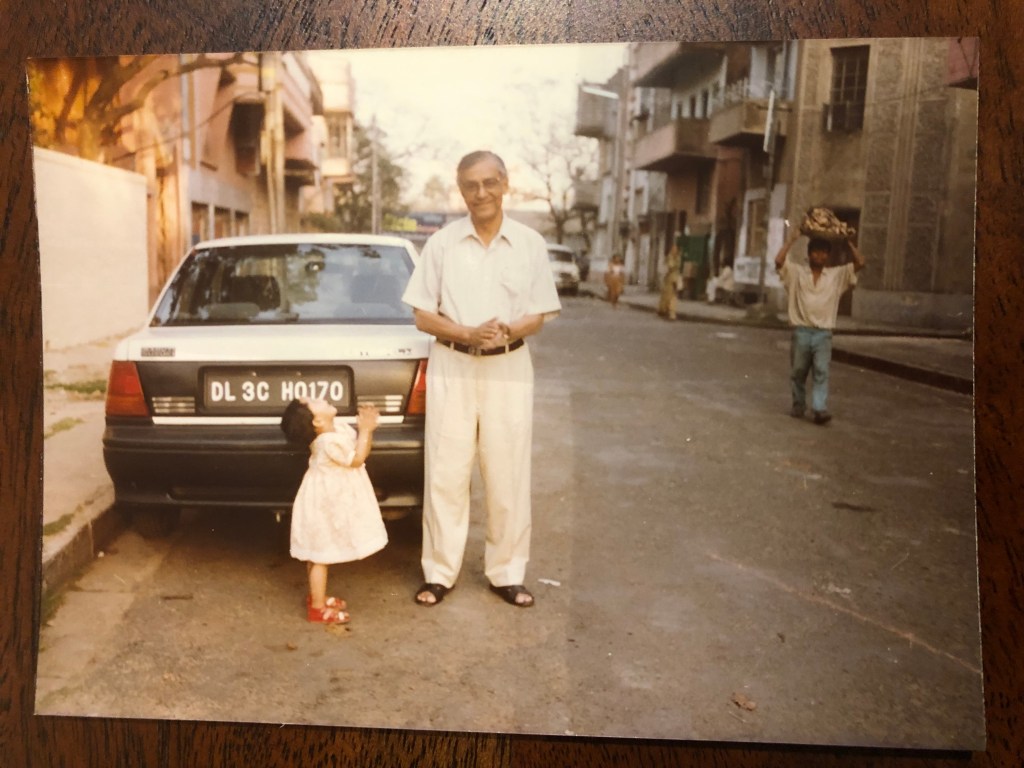
An unusual nickname, it began when I was a child.
There was a park near our house in India.
Abuja and my Grandma, Didani used to take me there every afternoon.
I would wait for him and the minute he came home from work, I would excitedly run towards the door tugging at his shoes going ‘Jha’ ‘Abha’ ‘Jha’
Trying to say the Bengali phrase ‘abar jabo’
Which translates to “Lets go again”
For now Abuja, you will just have to go to the park without me.
Forever yours,
Didibhai
Discover more from Luna
Subscribe to get the latest posts sent to your email.
 Luna
Luna 