
Pain definition:
An unpleasant sensory and emotional experience associated with actual or potential tissue damage, or described in terms of such damage.
Pain can be classified as
Pain which is a normal response to an injury or medical condition. It starts suddenly and is usually short-lived.
Which continues beyond the time expected for healing. It generally lasts for longer than 3 months.
The most common causes of pain in adults include:
- Injury
- medical conditions (such as cancer, arthritis and back problems)
- surgery.
How pain affects the body
Pain is a complex protective mechanism. It is an essential part of evolution that protects the body from danger and harm.
The body has pain receptors that are attached to 2 main types of nerves that detect danger. One nerve type relays messages quickly, causing a sharp, sudden pain. The other relays messages slowly, causing a dull, throbbing pain.
Some areas of the body have more pain receptors than others. For example, the skin has lots of receptors so it is easy to tell the exact location and type of pain. There are far fewer receptors in the gut, so it is harder to pinpoint the precise location of a stomach ache.
If pain receptors in the skin are activated by touching something dangerous (for example something hot or sharp), these nerves send alerts to the spinal cord and then to part of the brain called the thalamus.
Sometimes the spinal cord sends an immediate signal back to the muscles to make them contract. This moves the affected body part away from the source of danger or harm.
This is a reflex reaction that prevents further damage occurring. It happens before you feel pain.
Once the ‘alert!’ message reaches the thalamus, it sorts the information the nerves have sent, taking into account your previous experience, beliefs, expectations, culture and social norms. This explains why people have very different responses to pain.
The thalamus then sends the information on to other parts of the brain that are linked to physical response, thought and emotion. This is when you may feel the sensation of pain, think ‘That hurt! What was it?’, and feel annoyed.
The thalamus also contributes to mood and arousal, which helps to explain why your interpretation of pain partly depends on your state of mind.
Here I will discussing management of some of the common types of pain pain specifically related to transplant patients.
These include:
Bone and musculoskeletal disorders (arthritis, osteoporosis)
Abdominal pain including GI issues, gynaecological conditions such as period pain and endometriosis
Dental pain, Inflation/fever and ulcers,
Headaches and migraines
Inflation and swelling – including gout, acidosis
Infection and Injury pain – eg. UTI pain, Haemorrhoids, Itching/Candida, Boils and Cysts
Gynecological Pain or Abdominal pain

Go straight to your doctor or the emergency department of the nearest hospital if you have any of the following:
Abdominal pain is pain felt anywhere from below your ribs to your pelvis. It is also known as tummy pain or stomach pain. The abdomen houses many organs, including your stomach, liver, pancreas, small and large bowel, and reproductive organs. There are also major blood vessels in the abdomen.
- severe pain
- pain lasting for several hours
- pain or vaginal bleeding if you are pregnant
- pain in your scrotum if you are a male
- pain and vomiting or shortness of breath
- pain and vomiting blood
- blood in your bowel motions or urine
- pain that spreads to your chest, neck or shoulder
- fever and sweats
- become pale and clammy
- unable to pass urine
- unable to move your bowels or pass gas
- any other concerns.
There are many reasons why you may have pain in your abdomen. Abdominal pain may not come from the abdomen. Some surprising causes include heart attacks and pneumonia, conditions in the pelvis or groin, and period pain.
Gynecology Clinics Sydney
Leichardt Womens Community Health Centre
The Royal Hospital for Women (RHW) Gynaecology Outpatients Department
- Dysmenorrhoea is the term used to describe painful periods.
- Period pain may consist of cramping in your pelvic area, pain in your stomach, lower back and legs or a constant ache
- Many transplant patients are restricted in their management of pain. They are unable to take NSAIDS.
- Therefore pain management/medication includes paracetamol or codeine in moderate to severe cases.
- Non medication solutions include:
- Keeping a combination of a hot water bottle and a heat pad. (This can help back pain and cramping)
- Vicks rub
- Avoiding inflammatory foods
- Increasing food intake
- Foods such as bananas, strawberry tea, dark chocolate, oatmeal/pasta,
- Increasing leans meats and protein
- Increasing exercise 1 week beforehand
- Rest and sleep during week of period
- Paracetamol and OTC medication such as Buscopan or De-Gas to help relieve bloating, stomach cramping and headaches.

Bone and Mineral Pain
This is a chronic type of pain affecting nearly all types of transplant patients, due to the effect of prednisone causing osteoporosis, arthritis and bone and skeletal disorders.
“Bone and mineral disorders occur frequently in kidney transplant recipients and are associated with a high risk of fracture, morbidity, and mortality. There is a broad spectrum of often overlapping bone diseases seen after transplantation, including osteoporosis as well as persisting high– or low–turnover bone disease. The pathophysiology underlying bone disorders after transplantation results from a complex interplay of factors, including preexisting renal osteodystrophy and bone loss related to a variety of causes, such as immunosuppression and alterations in the parathyroid hormone-vitamin D-fibroblast growth factor 23 axis as well as changes in mineral metabolism.”
Bouquegneau, Antoine, “Bone disease after kidney transplantation.” Clinical Journal of the American Society of Nephrology 11, no. 7 (2016)
Medications and management for bone and joint pain
- OTC pain relief: paracetamol, antihistamines (to help with itching and swelling around around joints and lymph nodes)
- Applying corticosteroid cream directly onto the area eg. Dermaid
- Ice packs to reduce inflammation
- Sodium Bicarb (Baking Soda) (Check physician dose) daily to reduce joint pain symptoms from acidosis. Alternatively, if facing a shortage of tablets – mix 1/4 cup of baking soda with water and consume directly.
- Calcium tablets such as Ostelin, Caltrate or Fish Oil to help mineral health regeneration
- Steroid injections
- Surgery
Diet, Exercise and Bone Health

Diet and exercise are essential in building muscle, and maintaining bone health. Many times, a lot of bone and joint pain is a combination of factors, amongst these include weight gain.
Exercise and weight loss can dramatically reduce pressure on joints such as knees, toes, lower back and hips and strengthen core.
The best types of exercises include gentle cardio exercises as as running, jumping, bike riding or swimming.
Light weight bearing exercises such as walking, lifting weights or strength training.
To get started, and incorporate a proper exercise regime it is important to see a physician and and the allied health providers.
These clinics are Sydney based and most of these are bulk bill options.
Contact your GP to get a referral for the appropriate clinics.

They can include:
Physio and Occupational Therapy
Remedial Massage (Private, however Rebates may be available if you use a health fund)
Diet and Nutrition
Diet and Nutrition play a huge role in weight loss and overall well-being and the reduction of pain.
It is important to see specialists such as:
Dietitians and Endocrinologists
Immunologists (Allergy Testing)

For tips on managing hunger visit my post here.
- In order to achieve weight loss goals, incorporate healthy recipes
- Meal prepping is often helpful and budget friendly: Buying groceries in bulk such as meat and veg helps save time and energy (you don’t have to visit the shops) and plan meals for the week ahead.
- Meal prep containers keep meals ready to go in the fridge and make heating and washing up super simple.
- Alternately if truly pressed for time or low in energy – buying extra storage is also a great option. Adding an additional freezer ensures you can keep calories controlled healthy frozen meals stored for days when you are restricted energy wise.
Dental Pain, Inflammation and Ulcers

Dental pain is often a type of acute pain faced by patients. Due to the risk of infection from dental work it is important monitor pain quickly and check for signs for swelling, and inflammation.
Dental pain can arise from conditions such as:
Orthodontic procedures i.e. removing wisdom teeth
Gum disease and infections (often triggered due to braces and orthodontic procedures)
These procedures often cause immunocompromised patients to develop pain from
- mouth sores (due to medication)
- mouth ulcers (rubbing from braces and retainers)
- oral thrush from antibiotics
- mouth sensitivity
- tooth enamel weakness
- chronic sore throat and dry mouth
- headache, migraines and digestive issues

It is important to speak to your dentist and periodontist to discuss these issues.
Dental Clinics in Sydney and the surrounding areas include:
Westmead Centre for Oral Health
Local Dentist (private, gap payment)
Orthodontist (private, gap payment)
Periodontist (private, gap payment)
Some helpful tips for managing these conditions include:

- Combination of mouthwashes including:
- probiotic mouthwash (aids in oral thrush)
- antiseptic mouthwash (use occasionally, when experiencing sore throats, cuts and scrapes in mouth)
- high fluoride daily mouthwash
- Rinse with a baking soda mouthwash (1/4 cup baking soda to water)
- Use non prescription medications for temporary relief such as: Kenalog, Bonjela, Zovirax
- Consume a daily probiotic
- Avoid hot, spicy foods, sugary and difficult to chew foods – all of which can increase inflammation.
- Consume soft, ‘cooling’ and non inflammatory foods such as yoghurts, buttermilk, green smoothies and eggs. Drink plenty of fluids to stop plaque buildup.
- If you are a braces wearer, or use permanent retainers, using soft brushes or interpiks to clean between teeth
- Dental wax to prevent rubbing and chafing against lips
- Cleaning mouthguards and retainers daily using a denture solution
- Consume crushed ice and apply ice packs to reduce swelling and inflammation
- Drinks such as ural, berocca, and gastrolyte can aspirin can help reduce fever.
Infection, Injury and Surgery Pain
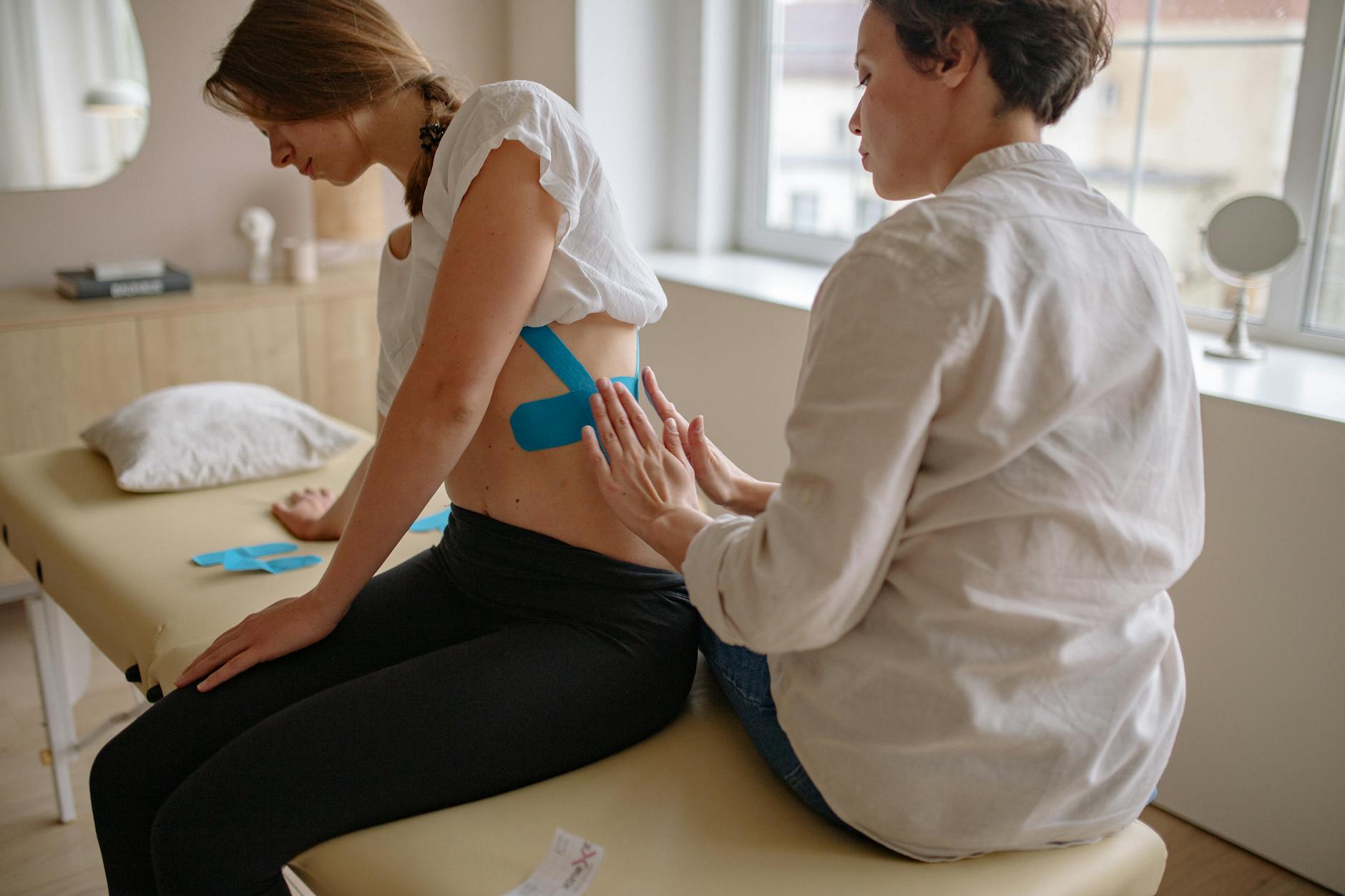
Pain arising from infection, injury or trauma or surgery is another type of acute pain.
Infection is common after a transplant due to patients being immunocompromised.
Types of infections can include:
Bacterial
Fungal
Viral
Management of infections include:
Antibiotics e.g. Ceftriaxone, Ciprofloxacin
Antifungal Medications e.g Fluconazole
Antivirals e.g. Cidofovir
OTC pain relief
UTI pain, Haemorrhoids, Itching/Candida, Boils and Cysts
Bacterial Infections e.g UTI
A UTI develops when microbes enter the urinary tract and cause infection. Bacteria are the most common cause of UTIs, although fungi rarely can also infect the urinary tract. E. coli bacteria, which live in the bowel, cause most UTIs.
UTI is associated with the development of bacteremia, acute T cell-mediated rejection, impaired allograft function, and allograft loss, with increased risk of hospitalization and death. Morbidity and mortality from UTI can be caused by recurrent and/or severe sepsis
Nephrology Clinics
Westmead Renal Transplant and Urology
(02) 8890 6409
Transplant Surgery
(02) 8890 6962
Treatment includes oral or IV Antibiotics e.g. Ceftriaxone, Ciprofloxacin
Tips for managing UTI discomfort include:

Increasing fluid intake: Water, Sugar Free Cordial, URAL, Tender Coconut Water
https://www.goodrx.com/conditions/urinary-tract-infection/what-to-drink-for-uti
For women, wear cotton loose fitting clothing and choose breathable fabrics, e.g. cotton underwear
Consume a daily probiotic to prevent candida infection (especially if taking antibiotics)
Skin infections such as: Stapyloccal infections, Candidiasis, HPV infections
Infection of the surgical incision site has a specific set of symptoms, including
- Redness
- Warmth
- Drainage
- Pain
Tips for managing skin infections:

Antibacterial/Antiseptic Creams and Washes: Betadine, Bactroban, Microshield,
Antifungal Creams, Solutions : Clotrimazole Cream, Canestan Solution, Nizoral Shampoo
Antiviral Creams, Sprays, Cryotherapy: Propovir, Wart Spray, Cryotherapy
Antipruritic (Anti- Itch creams): Crotamiton, Lice Shampoo, Tea Tree Oil
Dermatology Clinics Sydney
Concord Plastic and Dermatology Clinics
Local GP for minor skin procedures
Colds and Flu: Headaches and Migraines
Headaches and Migraines

- Headaches are common and usually not concerning, but occasionally they can be caused by a serious illness.
- There are many different types of headaches, such as tension, migraine and cluster headache caused by sinus problems, alcohol or dehydration.
- For many transplant patients immunosuppressants such as tacrolimus, and steroids such as prednisone can lead to more complex headaches such as intracranial hyptertension.
Tips for managing headaches and migraines

- Use ice packs when necessary
- OTC pain medication
- Hydration
- Adjust environment: e.g. installation of blackout curtains, films and screens to reduce light and noise
- Keep room cool
- Freeze cold compresses for eye strain
Viral Infections

Viral Infections such as COVID -19 can cause a lot of pain and discomfort.
These symptoms include:
Sore throat
Coughing
Vomiting
Diarrhoea
Headaches
Viral infections most often go away by themselves, and treatment is limited. However in severe case antivirals such as Remdesivir or Tamiflu may be given.
Tips on managing pain and discomfort from viral infections:

Using a chest rub ointment
Use antihistamines such as Cetrizine
Using an Inhaler in the short term such as Ventolin
Keeping an emesis ‘bag’ or bucket nearby to help manage excess sputum.

Soft foods such as noodles, soups, and pasta
For management of diarrhoea or temporary bladder issues, using incontinence underwear specifically at nighttime.
Disposable cutlery and crockery can be useful, as it saved you on washing when you may be tired.
Large flasks (microwavable) for holding tea, hot drinks and soups. Can be reheated and washing accordingly.

Discover more from Luna
Subscribe to get the latest posts sent to your email.
 Luna
Luna 