In this post I hope to delve deeper into organising meals and grocery shopping.
As a transplant patient one of the biggest issues is weight gain.
This is often a cycle – fatigue and chronic pain from illness (e.g arthritis and gout) makes it difficult to get up prepare meals.
This means patients spend money on take away, food delivery or processed foods. (E.g ubereats, McDonald’s, chips etc)
This leads to weight gain and makes symptoms worse and the cycle therefore continues.
Patients may also be limited with budget – choosing cheaper food options and limited transport wise (no car, dependent on public transport)
This means accessing food and going to grocery stores is harder and makes purchasing food and the whole process more strenuous.
On top of this as a transplant patient you may have underlying dietary restrictions.
While prednisone causes intense hunger and weight gain, many transplant patients are also restricted in what they can eat and drink.
Some underlying causes may be
Gluten intolerances
Lactose intolerance
Nut allergies
Diabetes
Fluid restrictions
Low salt diet
Dental issues (mouth ulcers, gum disease)
Hypersensitive to texture
Solutions
- Meal plan as best as best as possible when you have the energy.
Buy meal container kits and cook up a large batch on the day you get your groceries.
Some examples include
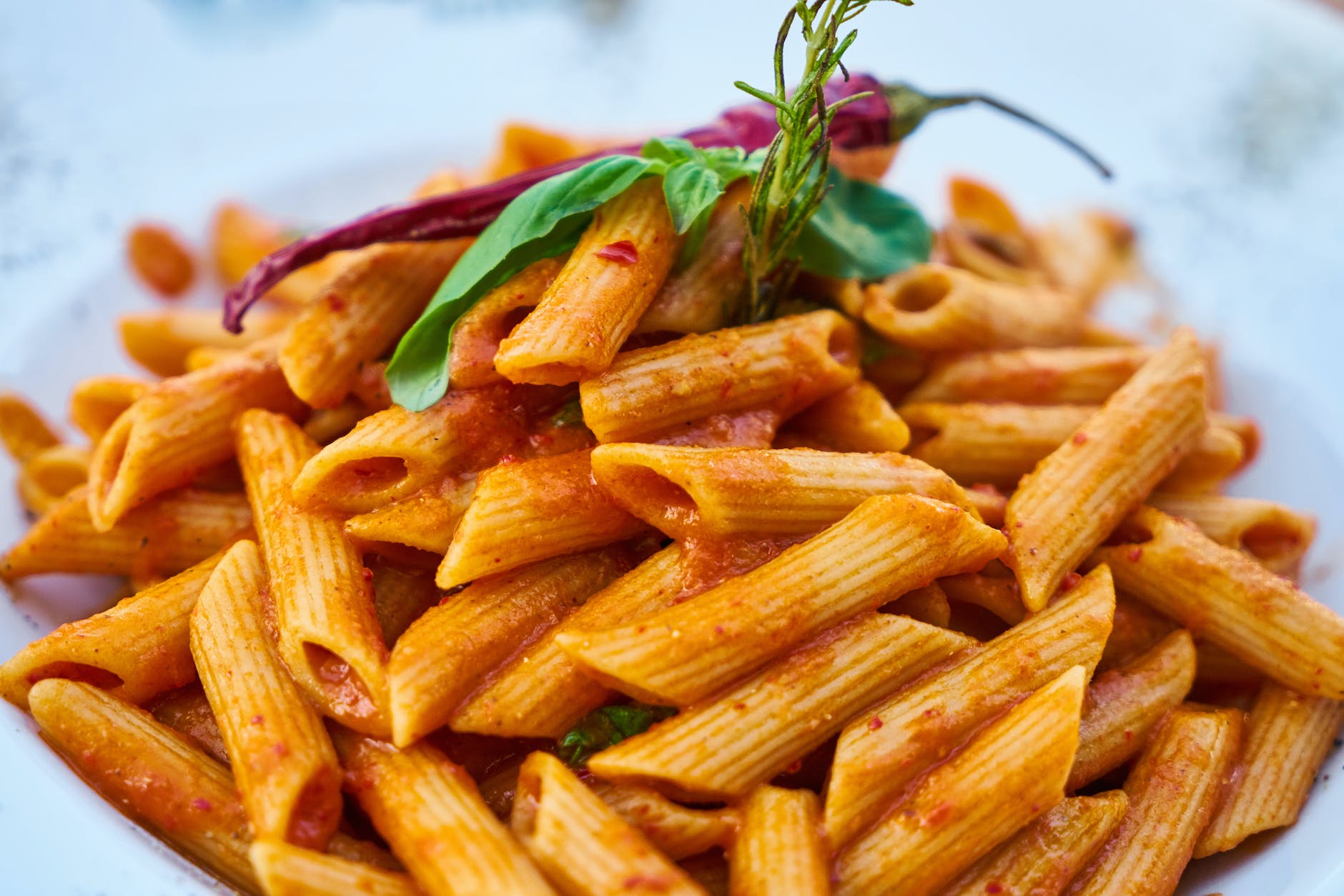
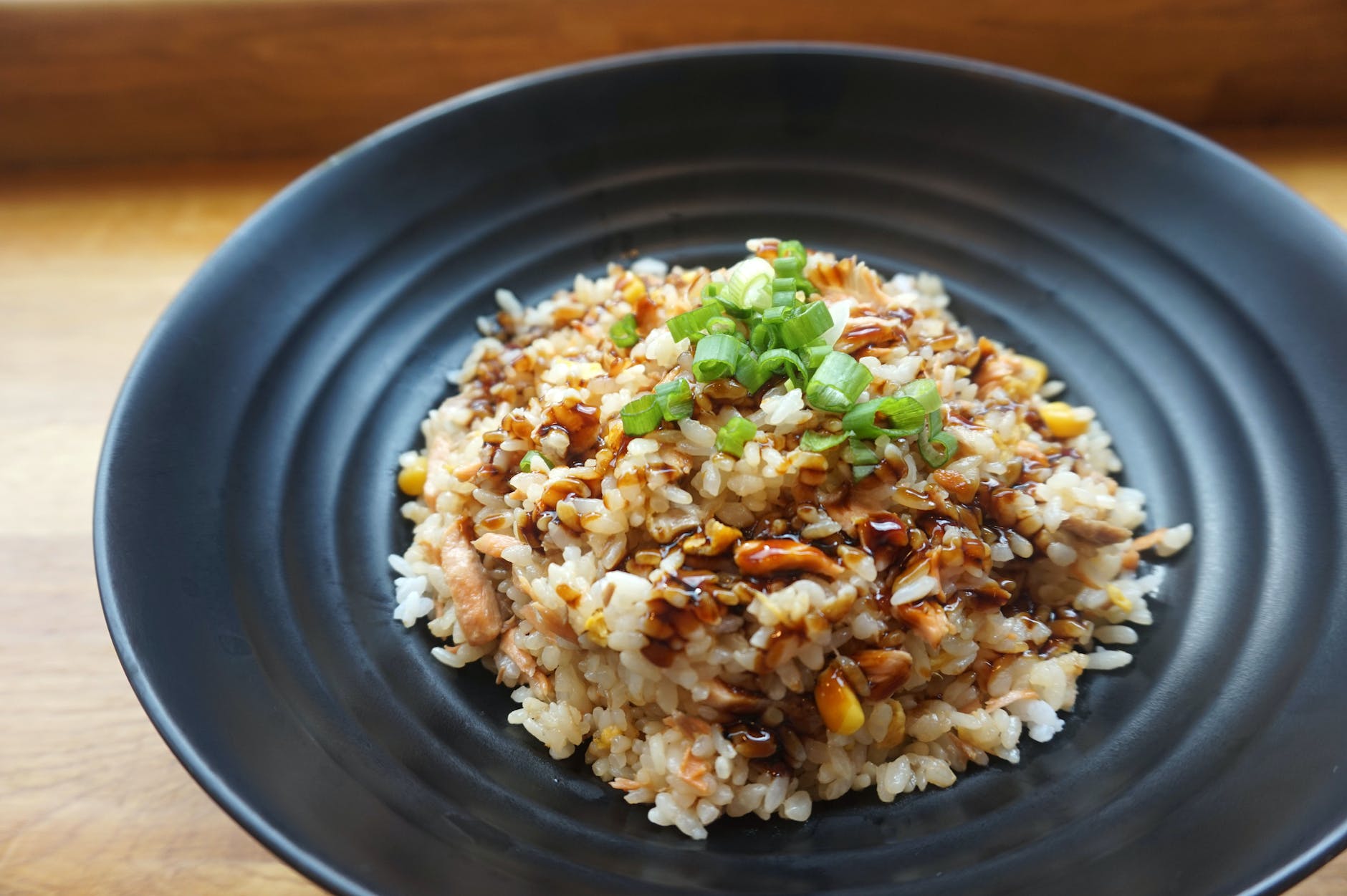
Cook meals which will keep for up to 5 days in the fridge – such as pasta bolognese, curries, noodle dishes, soup, stir fry and porridges. These can all keep without drying out.
- Experiment slowly with new ways to eat vegetables.
Food sensitivities mean it is essential to experiment with new ways to prepare vegetables to incorporate them into your diet.
For transplant patients green veggies such as celery, lettuce, cucumbers, avocado and capsicum are best.
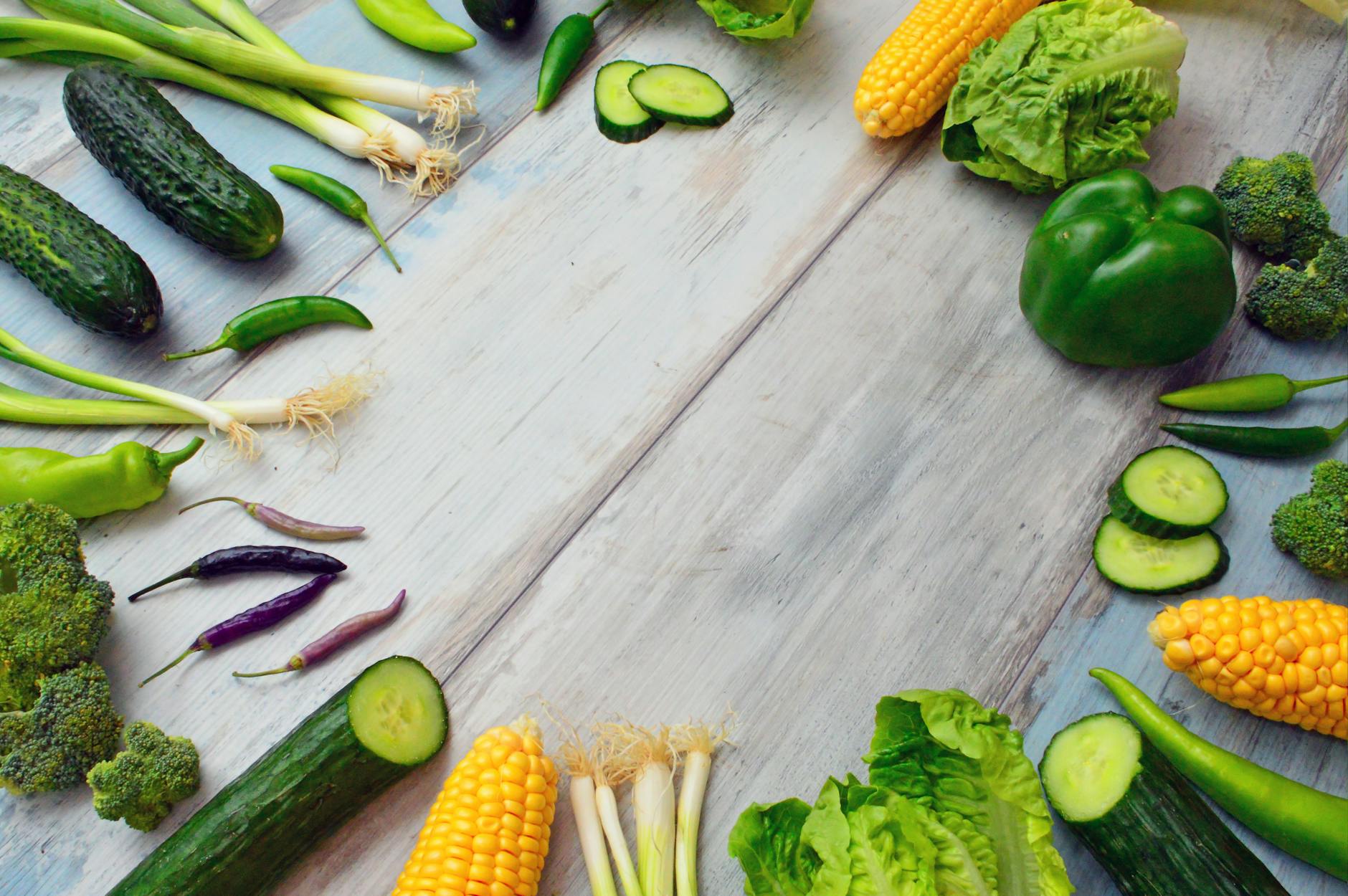
If having difficulty chewing these because of mouth/gum issues such as mouth ulcers, canker sores – try blending into smoothies.
For other veggies such as broccoli and capsicum try roasting to soften and make them easy to eat.
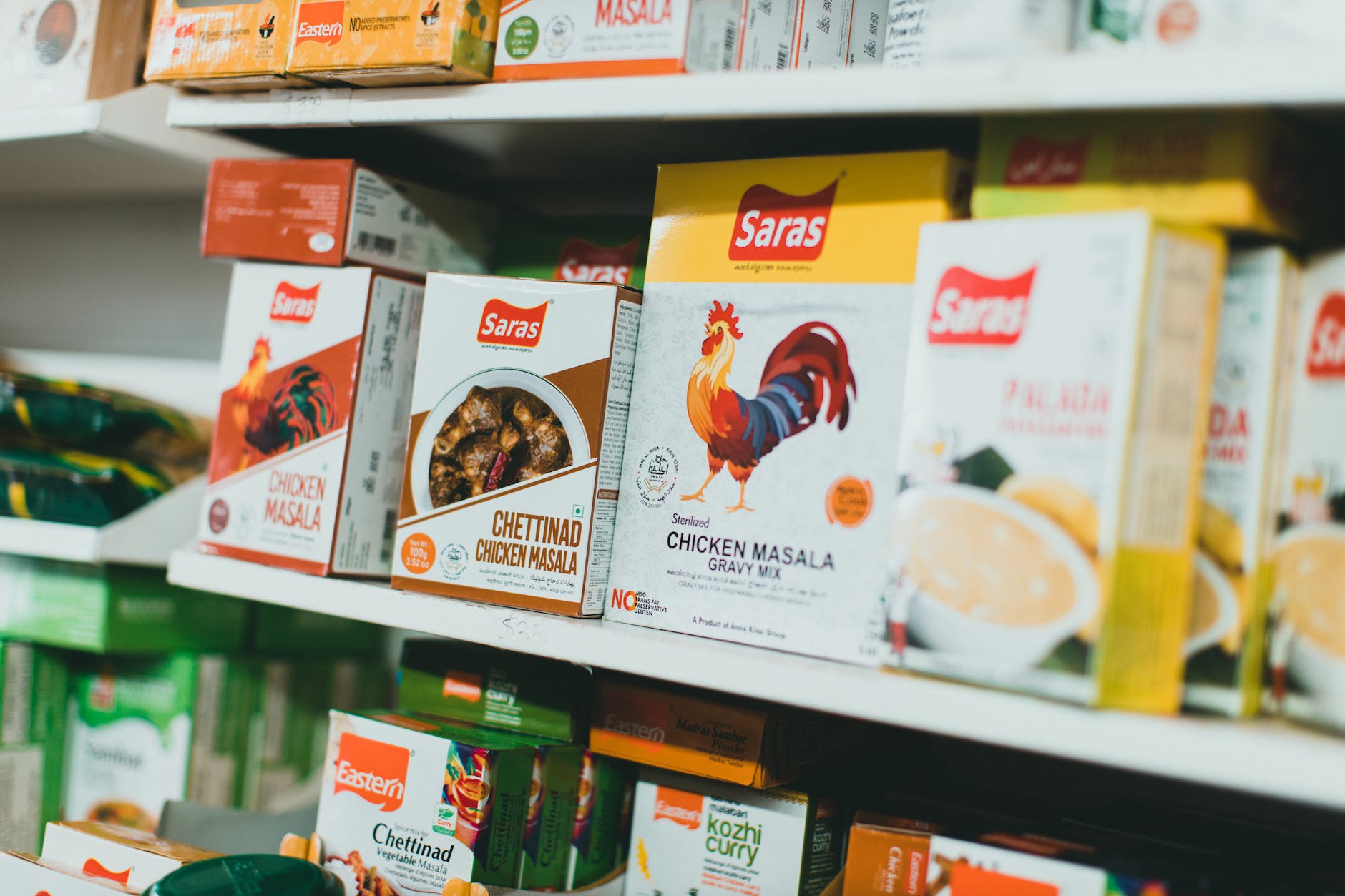
Research different products online before shopping – this makes a big difference and saves time, energy, and money.
Lactose and gluten intolerance means buying lactose free options for milk and gluten free bread, noodles or rice
- Look for healthy alternatives within frozen foods/fast foods etc
In order to maintain energy levels there will be many days when it isn’t possible to cook.
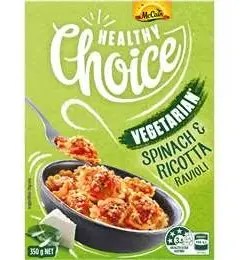
Frozen meals are very handy and it is a great idea to keep them around.
Check the label to see how many calories each meal has – look for meals approx
200-300 calories.
These can be a great ‘in between’ snack when 5pm cravings hit or even after dinner. Having these stops you reaching for dessert or a sugary alternative.
Healthy-ish options when dining out

When going out research nearby restaurants beforehand – this will allow you you to know what is available and what to purchase.
E.g McDonald’s – if at McDonald’s ask for a grilled burger, or a salad.
KFC – Go for the salad box or twister
Dietary Restrictions
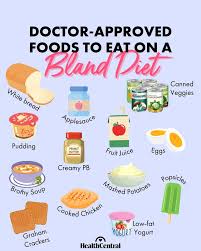
When on fluid restriction, eat bland foods such as chicken, broccoli, pasta, milk and yoghurt. These help maintain your gut and dental health and sip fluid throughout the day.
Avoid sugar, coffee, salt and alcohol as these are all dehydrating
Keep cool as much as possible, drink water and ice only especially on very hot days.
Pro tip: For severely chapped lips, use a steroid cream or gargle with a small amount of oil and spit out to prevent cracking.

- Buy online, buy in bulk
Shop online to research products and have groceries delivered. You can buy heavy items delivered straight to your doors and usually for a small monthly delivery fee can have multiple deliveries (provided you spend a minimum amount)
Items you can store and buy in bulk
- long life milk
- Tinned meats (corned beef, canned chicken)
- Baby carrots, tinned vegetables
- Canned fruit
- Sauces, soups, curry bases
- Pasta, rice, cereals
- Chips, biscuits, confectioneries
- Frozen meals
- Long life juice/drinks
- Paper towels, cleaning supplies, toilet paper
- Cheese
Buy buying these items in bulk you save money since you will only need to purchase fresh ingredients such as fruit, salad, cheese, and ready meals and yoghurt.
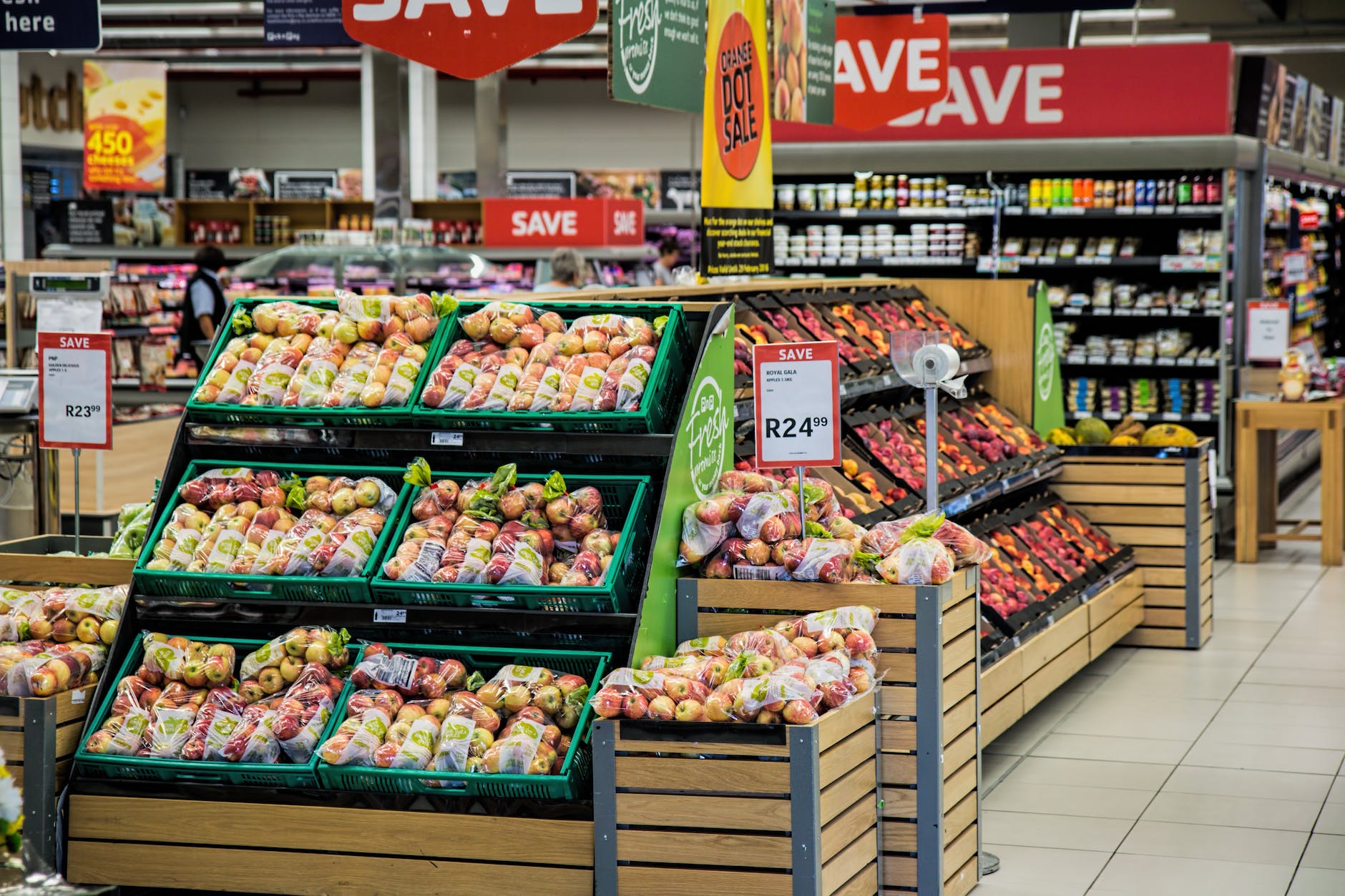
Keeping a stock of carbs, tinned vegetables and meats and sauces ensures you always have the basic ingredient to prepare a meal even when you may be too unwell to go to the shops.
- Check for underlying conditions
Many times dislike or intolerances to certain foods may be caused by underlying medical conditions.
Check with you GP for issues such as gut issues, e.g
Acid reflux
Lactose Intolerance
Gluten Intolerance
IBS
Crohns
Dental and Oral Hygeine is also huge and affects the way you eat especially if you have had orthodontic work:
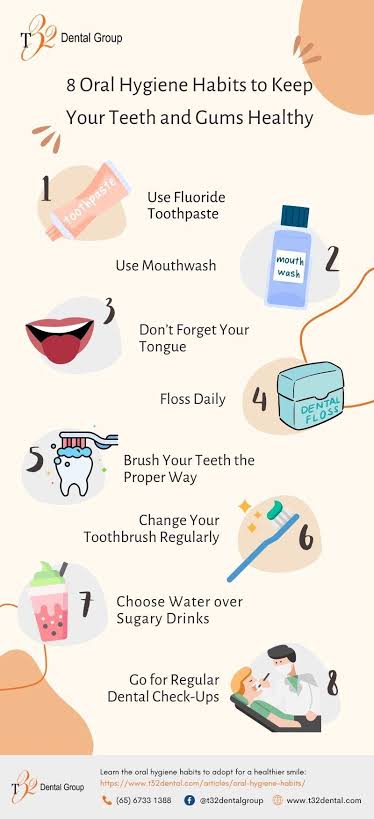
These include:
Braces (can trigger mouth ulcers and fevers)
Eating soft foods
Oral thrush
Inflamed gums
Periodontitis
Gingivitis
Gum infections
Solutions
Eat soft foods such as eggs, vegetables bakes and mashes and rice.
These will reduce mouth inflammation and are easy on the gut.
Lastly as kidney patient regularly check blood levels.

Consume red meat sparingly, with more lean meats and fish and drink plenty of water (if not on fluid balance)
Look for low sugar alternatives and restrict salt when necessary.
For full details on CKD diets consult with your specialist and dietitian.
https://kidney.org.au/your-kidneys/living-with-kidney-disease/health-and-wellbeing/diet-nutrition
Wishing everyone best on their food journey
Love
Luna x
Discover more from Luna
Subscribe to get the latest posts sent to your email.
 Luna
Luna 
One Comment Add yours